
Common Mistakes to Avoid When Building a New Home
Building a home is exciting. You decide how every room looks, where the windows go, how natural light enters and how the space works for your family.
Building a home is also a big responsibility. There are decisions. A small mistake in the planning stage can become a problem during construction.
The good news is that most of these mistakes can be avoided with planning and the right guidance.
Here are 10 common mistakes to watch out for when building a home.
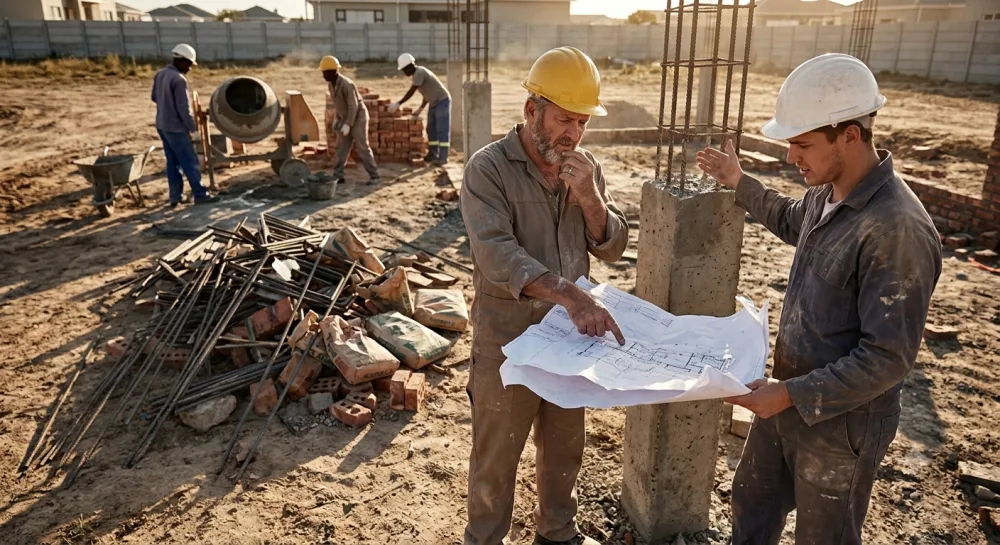
1. Starting Construction Before the Design Is Ready
It can be tempting to start construction soon as you have your plot. But rushing to the site before the design is properly worked out can create problems later.
You may realise that a room is too small a window is in the place or an electrical point needs to be moved. Making these changes once construction has started can mean cost, delays and unnecessary stress.
What can you do?
Take your time during the design stage. Finalise the floor plan, structure, electrical points, plumbing, windows, storage and other important details before work begins.
A little extra time spent planning can save a lot of time and money later.
2. Designing the House Around Its Looks
Everyone wants a beautiful home.. A good home needs to be more than just beautiful.
A home can have a façade and still feel uncomfortable if the rooms do not connect well there is not enough storage or the interiors do not get enough natural light.
Think about your life. Where will you sit with your family? Where will you keep your shoes? How will groceries enter the kitchen? Where will children study? Where will guests stay?
What can you do?
Start with how you want to live in the home. Once the spaces work well the design can make them look beautiful too.
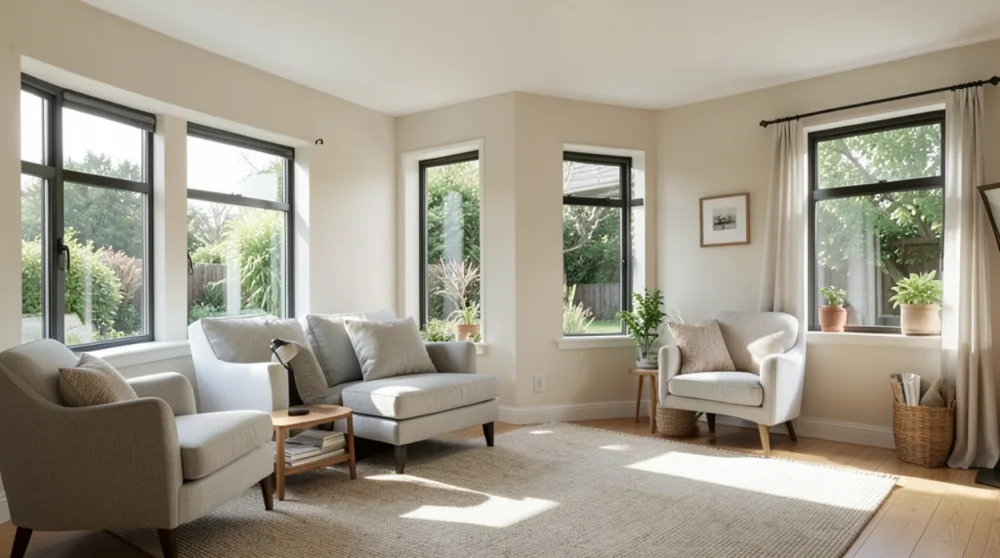
3. Forgetting About Natural Light and Ventilation
Natural light and fresh air can completely change the feeling of a home.
Planned windows can leave rooms dark during the day or make them feel hot and stuffy. On the hand well‑placed openings can make a home brighter, cooler and more comfortable.
What can you do?
Look at the direction of the sun the climate, surrounding buildings and the movement of air around your plot.
Your architect can help position windows, courtyards, skylights and shaded areas in a way that works with the site.
Sometimes the simplest design decisions can make the difference.
4. Treating Every Plot Like the Same Plot
A home design that works perfectly on one plot may not work all on another.
Your plot has its orientation, surroundings, views, road access, sunlight, wind and site conditions. These things should influence the design.
For example a window that gives light on one site may face another building on a different site.
What can you do?
Before designing the home understand the site properly. Look at:
* Where the sun comes from
* The direction of prevailing winds
* Views you want to enjoy
* Areas where you need privacy
* Road and entry conditions
* Neighbouring buildings
* Existing trees
* Drainage and site levels
* building regulations
A home designed specifically for its site will almost always feel more natural and comfortable.
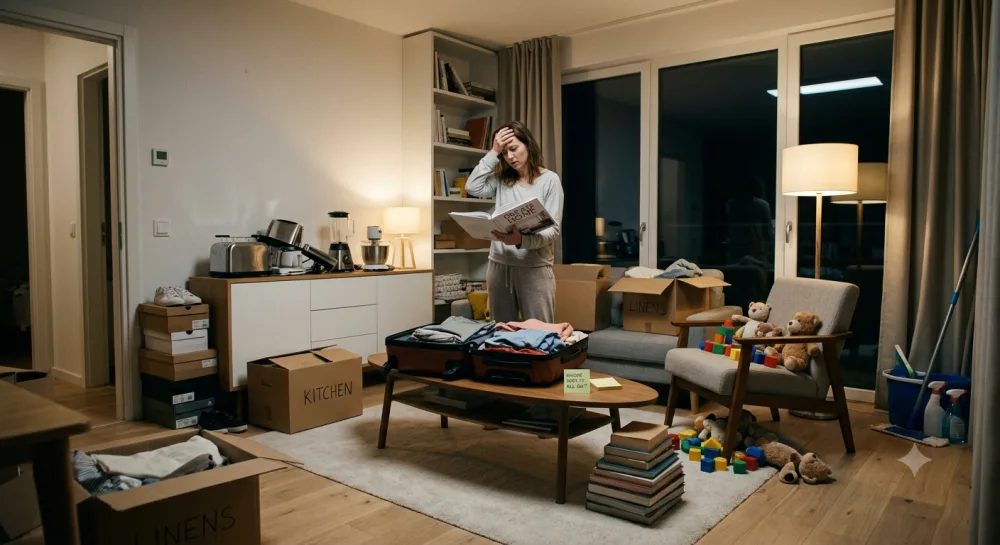
5. Realising Late That There Isn’t Enough Storage
Storage is one of those things that people often think about after the design is complete.
Then reality hits.
Where will the suitcases go? What about shoes, cleaning supplies, appliances, books, clothes, children’s things or all those everyday items that somehow keep multiplying?
Without storage even a beautifully designed home can quickly feel cluttered.
What can you do?
Think about storage from the beginning.
Plan wardrobes, kitchen cabinets, utility storage, shoe cabinets, bathroom storage and other built‑in spaces as part of the design than adding them later.
Good storage doesn’t have to be obvious. When planned well it can become part of the architecture itself.
6. Choosing Materials Only Because They Look
A material may look beautiful in a showroom but behave very differently once it is exposed to everyday use and weather.
The same applies to choosing everything based on the lowest price. A cheaper material may require maintenance or replacement over time.
What can you do?
When choosing materials look at the picture:
* How long will they last?
* Are they suitable for your climate?
* How maintenance will they need?
* Are they practical for use?
* Do they fit your budget?
* Will they still look good after years?
The best material isn’t the most expensive one. It is the one that gives you the balance of appearance, performance, durability and cost.
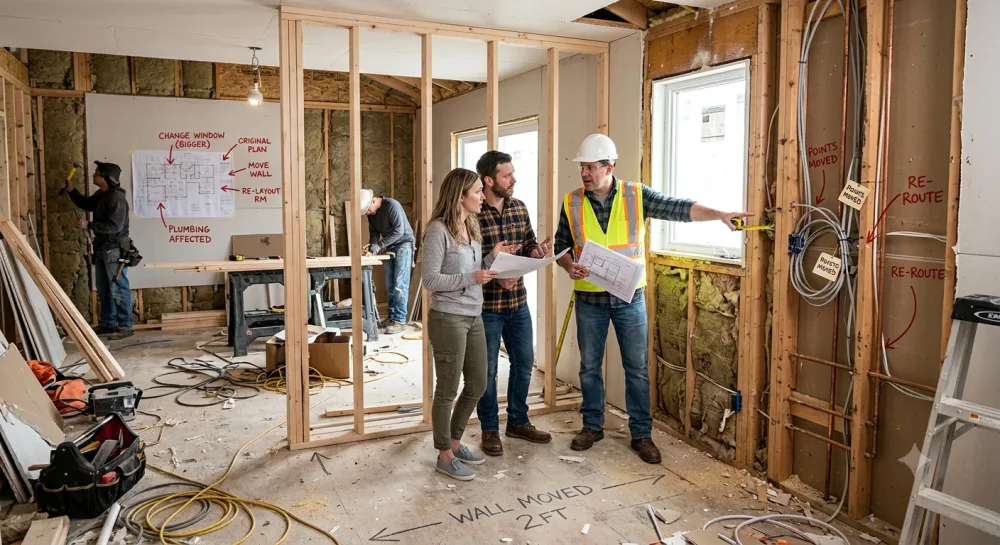
7. Making Many Changes During Construction
Once the home starts taking shape it is natural to get ideas.
You might suddenly decide that a wall should move a window should be bigger. A room should be redesigned.
The problem is that one small change can affect other things. Moving a wall may mean changing points, plumbing, flooring, ceiling details, furniture layouts or even structural elements.
What can you do?
Try to make decisions before construction begins.
If something does need to change discuss it with your architect and contractor before the work is carried out.
It is much easier to change a drawing than to change a wall.
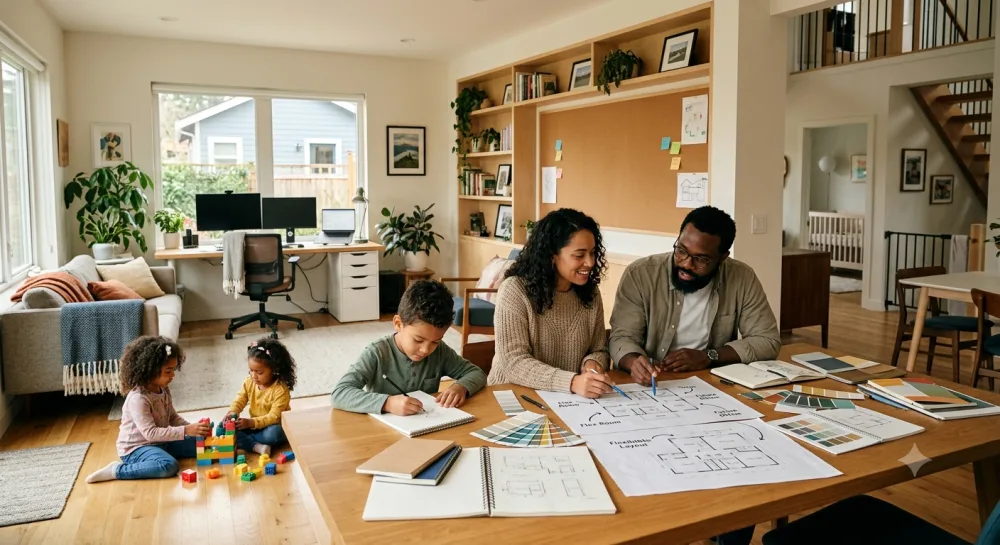
8. Designing for Your Current Lifestyle
Your home should work for you today. It should also have some flexibility for tomorrow.
Maybe your family will grow. Your parents may eventually live with you. You may need a home office. Children may need space as they grow older.
What can you do?
Think a years ahead while planning your home.
Ask yourself:
* Will this room still work for us five or ten years from now?
Flexible spaces, circulation, additional storage and provisions for future needs can make your home much easier to adapt.
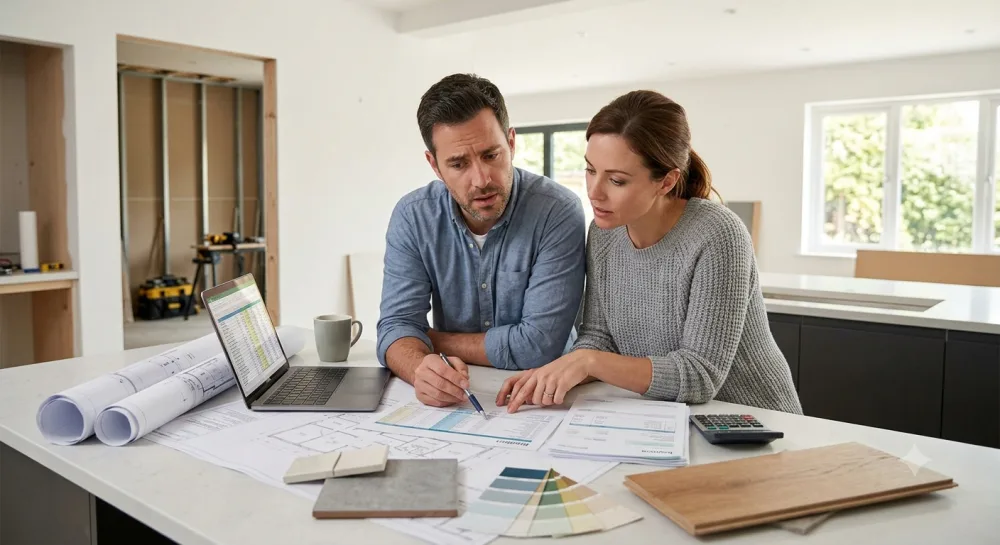
9. Setting a Budget That Doesn’t Include the Whole Project
The construction cost is obviously important. It is not the only expense involved in building a home.
There can be costs for consultant services, approvals, structure, electrical and plumbing work, interiors, lighting, landscaping, fixtures, external works and more.
As with any construction project unexpected expenses can come up.
What can you do?
Prepare a budget before construction starts and keep some room for unexpected costs.
It also helps to separate your must‑haves from the things you would like to add if the budget allows.
This makes it easier to make decisions without losing sight of what matters
10. Choosing Professionals Based on the Lowest Price
When you are comparing architects, contractors or consultants it can be tempting to choose whoever gives you the lowest quote.
Building a home is not just about getting the lowest price.
Experience, communication, technical knowledge, quality of work attention to detail and the ability to understand your requirements are equally important.
What can you do?
Look at projects. Understand what services are included. Ask questions about the process. Make sure communication is clear.
The right team will not just help you build a home. They will help you make decisions throughout the journey.
A Well‑Planned Home Makes the Journey Easier
Building a home will always involve decisions, unexpected situations and a few challenges. That is part of the process.
Good planning can prevent many of the common problems homeowners face.
A successful home is not created by focusing on one thing. It is about bringing good planning, thoughtful design, practical spaces, suitable materials, natural light, ventilation and the way you actually live.
At New Arch Studios we believe architecture should begin with understanding the people who will live in the space. Every home has a story, lifestyle, site and set of requirements.
That is why we focus on creating homes that're not only visually appealing, but also comfortable, functional and meaningful to the people who call them home.
Planning to build your home? Start with the design, not the construction. The right decisions, at the beginning can make the entire journey smoother.