
What makes a home look ? It is not always the materials that are used.
What makes a home look ? It is not always the materials that are used.
You can walk into two homes that have the budget, similar materials and even similar furniture and one home can instantly feel more luxurious than the other home.
Why is that?
Because a luxurious home is not just about how money you spend on it. It is about how everything in the home comes in a thoughtful way.
At New Arch Studios we think that the impressive interiors are not the ones that use the most expensive materials. They are the ones where the space, the proportion, the lighting, the colours, the textures, the furniture and the details have all been carefully considered.
A home can have marble and still feel ordinary. Another home can use materials and feel incredibly sophisticated.
So what actually makes a home look
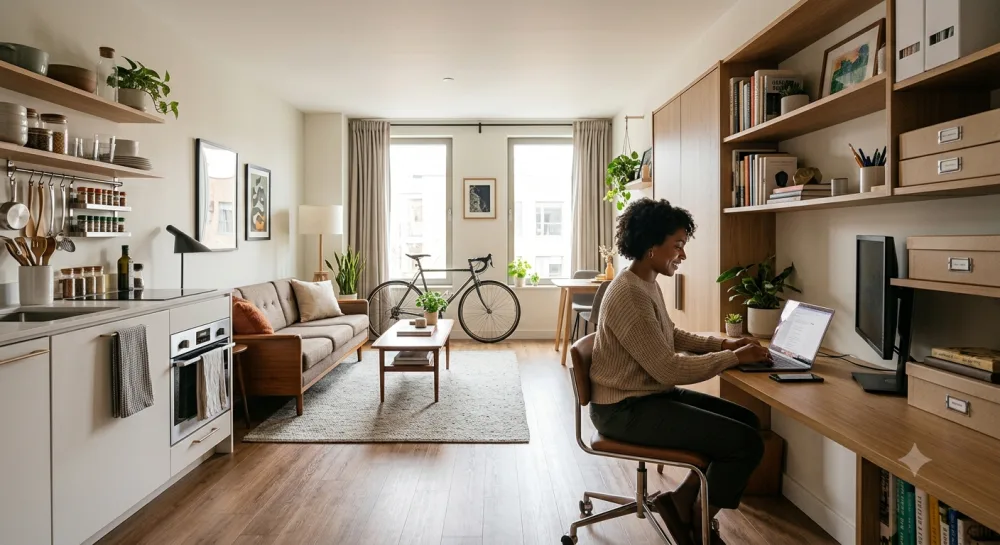
1. Good space planning is important.
Before you choose the materials the wallpaper or the furniture there is one thing that matters more: the layout of the home.
A designed home has a natural flow. You do not feel like you are walking around the furniture or trying to figure out where one space ends and another begins.
The furniture should have space around it. It should be easy to move around the home. The doorways, the passages, the windows and the furniture should all work together than compete with each other.
This is one of those things that you may not notice. You definitely feel it.
A planned space often looks more premium even before the finishes are added.

2. Proportion makes a difference.
Luxury is often about proportion.
A television wall that is too small for the room a sofa in a small living area tiny lights on a big ceiling or curtains that stop above the floor can make an expensive interior feel unbalanced.
Good interior design creates harmony.
The size of the furniture the wall treatments, the ceiling design, the lighting and the decorative elements should all relate to the size of the room.
When the proportions are right even simple elements can look sophisticated.

3. Lighting is more important than people think.
You can spend a lot of money on materials. Poor lighting can completely change how they look.
A luxurious interior usually does not depend on one bright ceiling light.
Instead it uses layers of lighting:
* Ambient lighting for illumination
* Cove lighting for a soft architectural glow
* Accent lighting to highlight artwork, walls or textures
* Decorative lighting to add character
* Task lighting where functionality requires it
The goal is not just to make the room brighter.
The goal is to create the mood.
A warm light falling across a wall or natural stone can create more visual richness than an expensive material under harsh white lighting.

4. Using materials can be better.
One common misconception is that luxury means using many premium materials as possible.
Using marble, wood, fluted panels, mirrors, stone, metallic finishes and patterned wallpaper all together can quickly become visually overwhelming.
Sophisticated interiors usually have a controlled material palette.
Perhaps it is stone, warm wood, textured fabric, muted paint and metal accents.
The materials do not need to compete with each other. They need to complement one another.
The result feels calm, intentional and timeless.
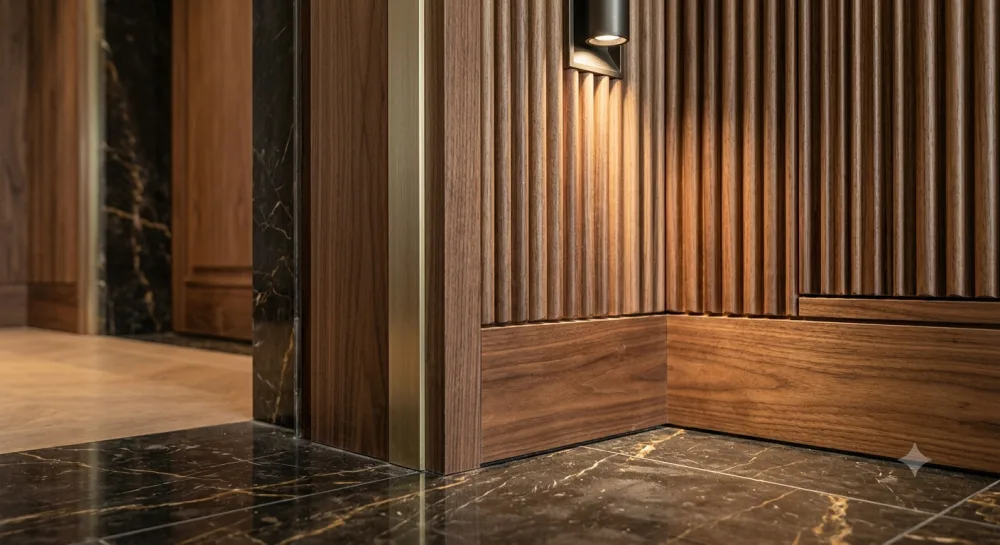
5. Details are where luxury lives.
Sometimes the difference between an interior and a premium interior comes down to a few millimetres.
The alignment of wall panels the spacing between grooves, the way a skirting meets a door frame the proportions of a ceiling the thickness of a countertop the position of a light and the finishing of a corner are all important details.
These details may seem small during the design stage. Together they create the feeling of quality.
Luxury is often noticed in the details before it is noticed in the materials.

6. Custom design beats design.
Ready-made furniture can look good. A home begins to feel truly designed when elements are created specifically for the space.
A TV unit designed around the wall dimensions a wardrobe that uses every inch a console designed to fit a particular entrance a bed-back wall proportioned specifically for the bedroom and a false ceiling designed around the room rather than copied from a catalogue are all examples of custom design.
These decisions make the interior feel connected to the architecture.
That sense of belonging is difficult to achieve with completely generic products.

7. Texture creates depth.
Luxury is not always shiny.
In fact some of the beautiful interiors are built around subtle textures.
Wood grain, natural stone, linen, fluted surfaces, micro-textured walls matte finishes, soft upholstery and brushed metals are all examples of textures that can add depth to a room.
When different textures are layered thoughtfully a room develops depth without needing decoration.
This is particularly important in contemporary interiors, where the colour palette may be relatively simple.

8. Colour does not have to be loud.
A premium interior does not necessarily need colours.
Neutral shades like beige, ivory, warm grey, taupe, earthy browns and muted tones can create a foundation.
Neutral does not mean boring.
The richness comes from combining textures, tones and materials within the same palette.
For example a warm beige wall can work beautifully with wood, stone, cream upholstery and soft warm lighting.
The result feels understated than over-designed.
9. Consistency creates a premium feel.
One of the ways to make an interior feel disconnected is to design every room completely differently.
The living room is modern the bedroom is classical the dining area is industrial. The passage has completely different colours and materials.
Each room might look attractive individually. The home as a whole can feel inconsistent.
A designed home usually has a common design language.
That does not mean every room should look identical.
Instead colours, materials, finishes or architectural details can subtly connect the spaces.

10. Do not forget the ceiling.
The ceiling is often the wall and one of the most overlooked elements in interior design.
A designed ceiling can completely change the character of a room.
More design does not always mean better design.
Of adding layers of shapes and lights simply because there is space the ceiling should respond to the rooms architecture.
Clean lines, positioned lighting, controlled cove lighting and carefully planned levels can create a sophisticated result without making the ceiling visually heavy.
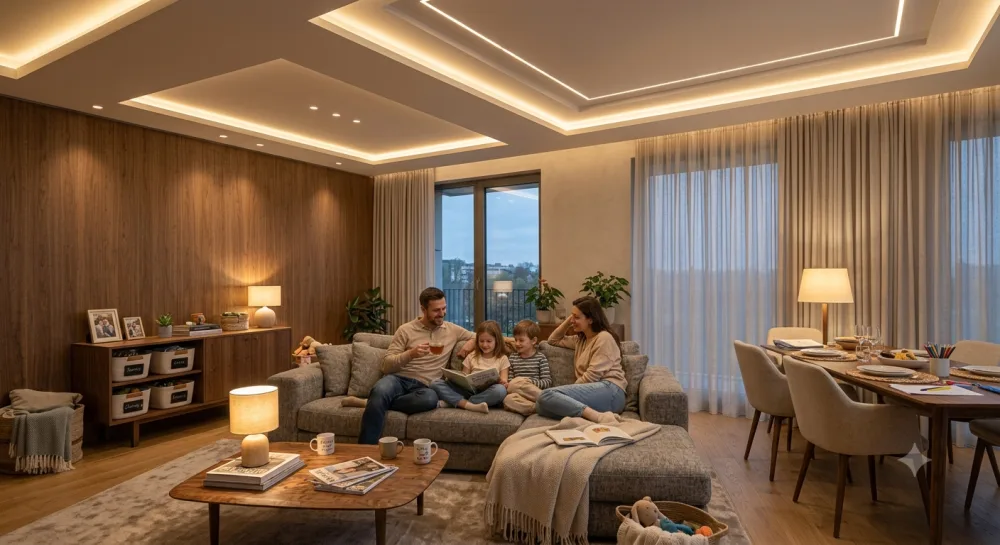
11. Luxury also means comfort.
A home should not look like a showroom.
It should feel like someones home.
The sofa should be comfortable the lighting should be pleasant in the evening storage should be practical and furniture should support the way the family actually lives.
This is where good interior design goes beyond decoration.
The best homes combine appeal with everyday functionality.
Because what is the point of a home if you do not enjoy living in it?

12. Spend where it actually matters.
Not every element of a home needs to be expensive.
Of spending the entire budget on premium finishes it can be smarter to invest in the elements that have the biggest visual and functional impact.
For example good lighting, quality hardware, custom furniture, comfortable upholstery, natural or high-quality materials in areas well-designed wardrobes and storage and professional execution and finishing are all important.
A thoughtful budget allocation can often create a result than simply choosing the most expensive option for everything.
So what really makes a home look
It comes down to thoughtfulness.
The way the space is planned the way materials are combined the way light interacts with surfaces the proportions of furniture and architecture the consistency of the design the quality of execution and how all of these elements work together are all important.
A luxurious home does not have to announce how much it cost.
Sometimes the expensive-looking interiors are the quietest ones, the spaces where nothing feels excessive nothing feels accidental and everything has a reason for being there.
Because true luxury in design is not about adding more it is about designing better.
At New Arch Studios we approach design as more than just selecting finishes and furniture.
We look at the experience of a space from planning and proportions, to materials, lighting, detailing and execution.
Whether it is a home, a luxury residence or a complete interior transformation the objective remains the same:
Create a space that looks beautiful today feels comfortable every day and continues to make sense for years to come.
If you are planning a home or thinking about transforming your existing space the first step is not choosing marble or wallpaper.
Start with the way you want to live. The design comes after that.